More Time, Fewer Problems: Louisiana’s Shift to a Two-Year Prescriptive Period
Overview | Blog Posts | Subrogation & Recovery | Patrick Lindley | Related | Print | Share
June 26, 2026
Historically, Louisiana had maintained one of the country’s shortest statutes of limitation (known in the Bayou State as “prescriptive periods): for tort claims. Prior to recent legislative changes, Article 3492 of the Louisiana Civil Code governed the time period in which a “delictual action” – an action that is considered to be tortious or causing harm to someone’s rights or property – may be filed in Louisiana. Article 3492 provided that “[d]elictual actions are subject to a liberative prescription of one year.” This prescription begins to run the day injury or damage is sustained. La. Civ. Code Art. 3492.
Under the one-year prescriptive period, issues often arose as to the timing of the adjustment of subrogation claims. Due to delays in claim reporting, lengthy investigations, and thorough adjustment processes (among other reasons), insurers may not have made a payment to the insured, a fundamental aspect of any subrogation claim, prior to the expiration of the one-year period. This had proven to be especially true in complex commercial claims. As there is technically no claim to “subrogate” if payment has not been made to the insured, subrogation attorneys historically have been pinched between a rock and a hard place and sometimes forced to abandon otherwise valid subrogation claims due to the lack of payment within the one-year period.
In a welcome move for subrogation professionals throughout the state, Louisiana substantially changed its law governing prescription for most negligence-based claims in 2024. Act No. 423 enacted Louisiana Civil Code article 3493.11, which established a two-year prescriptive period for delictual actions, and Louisiana Civil Code article 3493.12, which enacted the two-year prescriptive period for actions based on damage to immovable property. This legislative change represented a major shift in Louisiana tort law and brought Louisiana more in line with the majority of other states that provide a two-year limitations period for negligence claims.
Importantly, however, not all claims arising under Louisiana law are governed by a two-year prescriptive period. One notable exception remains product liability claims brought pursuant to the Louisiana Products Liability Act (“LPLA”), La. R.S. 9:2800.51, et seq. Claims under the LPLA continue to be governed by the one-year liberative prescription.
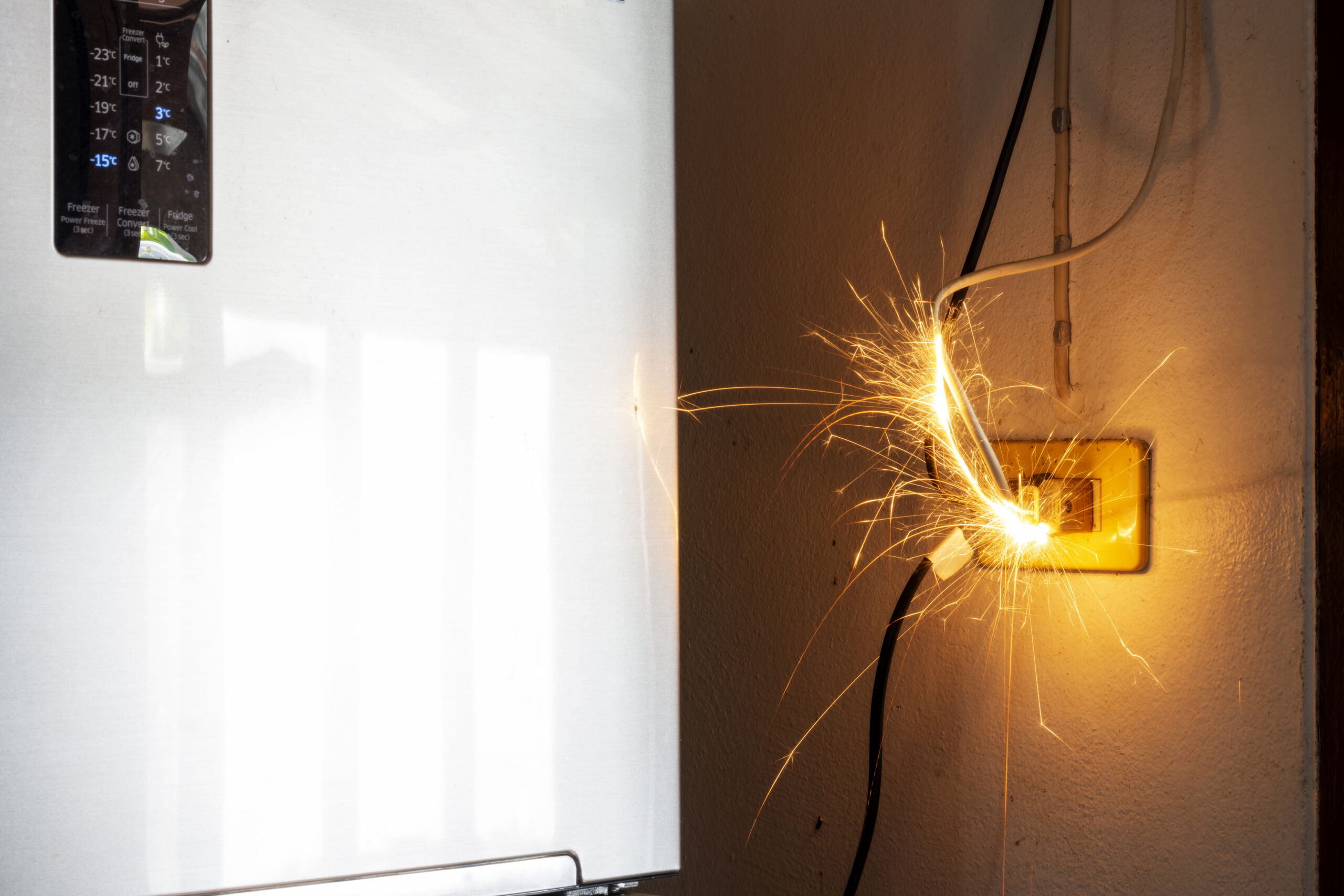
This distinction creates an important practical consideration in cases involving multiple potentially liable parties or mixed theories of recovery. For example, in a fire loss, equipment failure, or construction-related matters, negligence claims against contractors, maintenance companies, or third parties may now benefit from the extended two-year period, while claims against a manufacturer arising under the LPLA are still subject to a one-year limitation.
The differing prescriptive periods may also create strategic and procedural complexities for insurers and subrogation professionals. In many large-loss property claims, investigations into product failures, origin and cause issues, and potential manufacturing defects often take months to complete. While the extension to two years provides additional flexibility for negligence-based recovery efforts, subrogation professionals must still carefully evaluate whether any viable product liability claims exist and ensure that a suit is filed against product manufacturers within the one-year period.
While Louisiana’s extension of the prescriptive period for negligence claims provides much-needed breathing room for insurers and subrogation practitioners handling complex losses, it does not eliminate the need for early claim evaluation and strategic decision-making. The continued application of the one-year prescriptive period to claims arising under the Louisiana Products Liability Act creates a significant distinction that cannot be overlooked. Parties pursuing recovery in Louisiana should promptly identify all potential theories of liability and applicable defendants to ensure that viable claims are preserved and not inadvertently lost on procedural grounds.
For any further questions, please contact Patrick Lindley.